What You Need to Know About At-Home Teeth Whitening from a Dentist
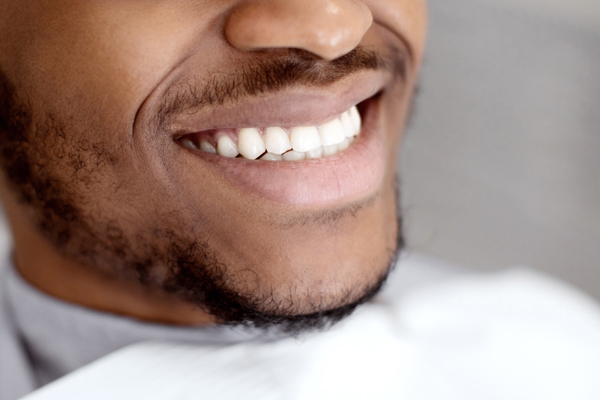
Teeth whitening can help brighten natural enamel when stains come from foods, drinks, aging, or normal daily habits. Dentist-supervised at-home treatment uses custom trays and whitening gel to create a more controlled process than many store-bought products. However, an in-office visit is still necessary, as our dentist first checks the teeth, gums, and existing dental work to make sure whitening is appropriate. They will then walk you through the step-by-step process of teeth whitening to help you achieve the results you want.
How dentist-supervised teeth whitening works
At-home teeth whitening from a dental office usually begins with an exam and shade discussion. The dentist may take impressions or digital scans to make trays that fit the teeth closely. They provide custom, snug trays to help keep the whitening gel against the enamel but not touching the gums. The dentist also explains how much gel to use and how long each session should last.
Teeth whitening gels often contain highly concentrated hydrogen peroxide or carbamide peroxide, which helps break apart stains and make the enamel appear lighter. However, results vary based on the type of stain, the starting shade, and how consistently the patient follows directions. It is also important to remember that no teeth whitening treatment, professional or over-the-counter (OTC), changes the color of crowns, veneers, fillings, or bonding.
Why professional guidance matters
Professional guidance from a dentist helps reduce common teeth whitening problems, including gum irritation and temporary tooth sensitivity. The dentist can recommend a gel strength and schedule that fits each patient's oral health. Some patients may need shorter sessions, sensitivity toothpaste, or a slower approach, while others may need dental treatment before whitening begins.
It is common for individuals to flock to OTC products first. While these products can help some patients, they are not always the best fit for every smile. This is because generic strips or trays may not sit against every tooth surface evenly and may allow gel to spread onto gum tissue. Professional teeth whitening, on the other hand, offers more personalized planning and follow-up.
Keeping results brighter
Teeth whitening results last longer when patients maintain healthy daily habits. The dentist will likely recommend brushing with fluoride toothpaste, flossing, and routine cleanings to help remove surface buildup. Also note that substances like coffee, tea, red wine, dark berries, and tobacco can contribute to new stains. Fortunately, rinsing with water after consuming pigmented foods and beverages may help limit stain buildup between brushing sessions.
Good habits after teeth whitening treatment include:
- Following the dentist's whitening instructions
- Avoiding overuse of whitening gel
- Reporting sensitivity that does not improve
- Keeping routine dental checkups
These steps not only help protect enamel, but also support a comfortable experience. Patients should not repeat teeth whitening routines too often or stack them with other whitening treatments without professional guidance. The dentist can recommend touch-up timing based on the patient's goals, sensitivity level, and oral health.
Schedule a consultation
Professional teeth whitening can be a convenient at-home option when a dentist checks oral health, provides custom trays, and safely guides the treatment. Professional supervision helps patients understand expected results, possible sensitivity, and how existing dental work may affect the final shade. Call our office for more information or to schedule a consultation.
Request an appointment here: https://www.northbaydentalcaresr.com or call Northbay Dental Care at (707) 581-3347 for an appointment in our Santa Rosa office.
Check out what others are saying about our dental services on Yelp: Teeth Whitening in Santa Rosa, CA.
Related Posts
Dental bridge treatment offers an effective solution for replacing missing teeth, and in some situations, it may be a better choice than a dental implant. While both options restore appearance and function, the right recommendation depends on several factors, including oral health, treatment goals, and overall circumstances. A general dentist evaluates each patient's unique needs…
Dental cleanings are an essential part of maintaining good oral health. However, there are other actions patients can take to maintain a healthy smile in between these visits. Brushing and flossing are a foundation of oral hygiene but are just a start. The following simple and practical tips can make for a healthier, more beautiful…
A restorative dentist does more than repair damaged teeth. These general, cosmetic, and family dentists play a key role in keeping the whole mouth healthy for the long term. They achieve this by keeping track of how teeth, gums, the bite, and the jaw joints work together, rather than focusing only on single problems. With…
Dental bonding uses tooth-colored composite resin to repair small flaws, reshape edges, and refresh a smile with minimal enamel removal. The dentist conditions the surface, places pliable resin, sculpts the contours, then cures and polishes for a seamless blend. Composite resin bonds micromechanically to enamel and dentin, forming a strong bond. Since the technique preserves…