When to Consider Getting Invisalign®
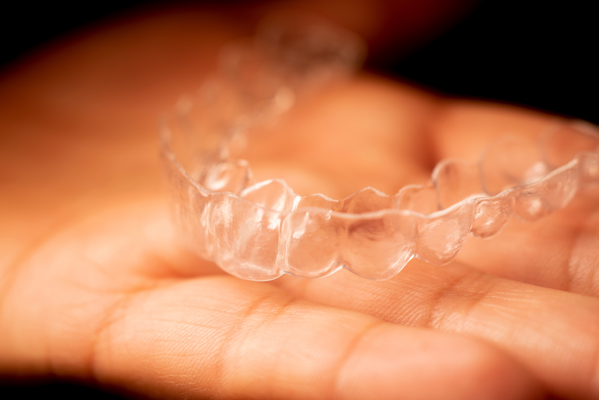
Invisalign is a popular teeth straightening treatment option that many general dentists offer. It is the preferred choice because the treatment process is known to be simple, discreet and less involved than that of braces. However, with that, it is also important to note that braces and Invisalign tend to target different problems.
Want to learn more about when to consider Invisalign? The following article highlights a few issues that can be addressed through the use of these popular clear aligners.
When is it necessary to consider Invisalign?
Keep reading to find out when it is time to consider Invisalign!
Minorly crooked teeth
When the teeth are crooked, patients often turn to Invisalign to straighten them. Most general dentists tend to recommend braces for teeth that are extremely crooked and a type of clear aligners for small imperfections. To determine what is major versus minor, it is best to visit a general dentist to undergo an evaluation. If the crookedness is minor then Invisalign is likely a great option to consider.
When the teeth shift
The teeth can shift over time, which can cause a need to consider Invisalign. Some people are born with straight teeth, but over time, they can shift causing a need for re-alignment. In other scenarios, someone may undergo braces at a young age, but as they age, their teeth may revert and change. A lot of people that consider Invisalign are actually adults whose teeth have changed. Visiting a general dentist's office allows patients of all ages to undergo the Invisalign treatment.
Spacing issues
Some people are born with too many teeth or not enough space in their mouths. When this is the case, they usually visit their general dentist to undergo some sort of treatment. Invisalign is one of the most popular ways to treat spacing issues.
One way to determine if Invisalign is needed for spacing issues is to carefully examine the teeth. If there is crowding in the mouth, there may be teeth that sit in front of one another. Crowding can make the mouth prone to gum disease and cavities. If crowding is noticed, it is best to visit a general dentist to inquire about Invisalign.
Small gaps in the teeth
It is a good idea to consider Invisalign when there are small gaps in the teeth. Gaps of any size can cause significant oral health problems. Food is more likely to get stuck in these gaps, which can cause a buildup of plaque. Plaque can turn into tartar, which often leads to things like cavities or gum disease.
Invisalign can be used to close these small gaps so that there is not a potential for oral health problems. General dentists typically recommend Invisalign for 6 months to a year to ensure that the gap closes and remains closed.
Reach out today!
Invisalign is a great treatment option for people looking to correct minor imperfections. Any questions and concerns regarding Invisalign should be addressed by a general dentist. Reach out today to get started!
Request an appointment here: https://www.northbaydentalcaresr.com or call Northbay Dental Care at (707) 581-3347 for an appointment in our Santa Rosa office.
Check out what others are saying about our dental services on Yelp: Invisalign in Santa Rosa, CA.
Related Posts
Teeth whitening can help brighten natural enamel when stains come from foods, drinks, aging, or normal daily habits. Dentist-supervised at-home treatment uses custom trays and whitening gel to create a more controlled process than many store-bought products. However, an in-office visit is still necessary, as our dentist first checks the teeth, gums, and existing dental…
Dental bridge treatment offers an effective solution for replacing missing teeth, and in some situations, it may be a better choice than a dental implant. While both options restore appearance and function, the right recommendation depends on several factors, including oral health, treatment goals, and overall circumstances. A general dentist evaluates each patient's unique needs…
Dental cleanings are an essential part of maintaining good oral health. However, there are other actions patients can take to maintain a healthy smile in between these visits. Brushing and flossing are a foundation of oral hygiene but are just a start. The following simple and practical tips can make for a healthier, more beautiful…
A restorative dentist does more than repair damaged teeth. These general, cosmetic, and family dentists play a key role in keeping the whole mouth healthy for the long term. They achieve this by keeping track of how teeth, gums, the bite, and the jaw joints work together, rather than focusing only on single problems. With…